Google Business Profile Tips for Better Local Leads
Use these Google Business Profile tips to improve local visibility, earn more reviews, and turn Maps searches into real leads. Get the checklist.
Read moreGoogle measures how pages feel to real visitors, and rewards the ones that feel fast. Here is what Core Web Vitals are, in plain words, and how to pass them.
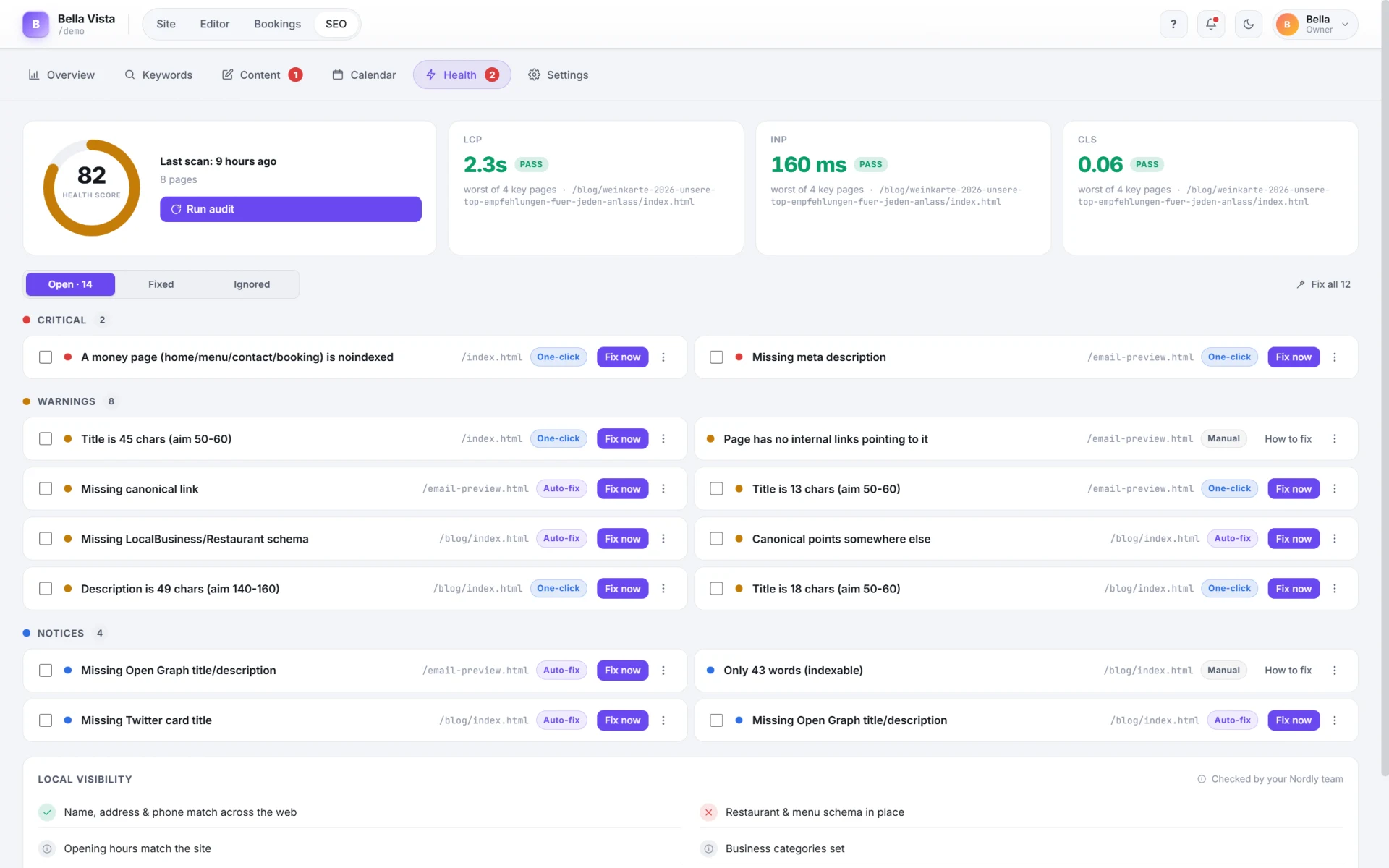
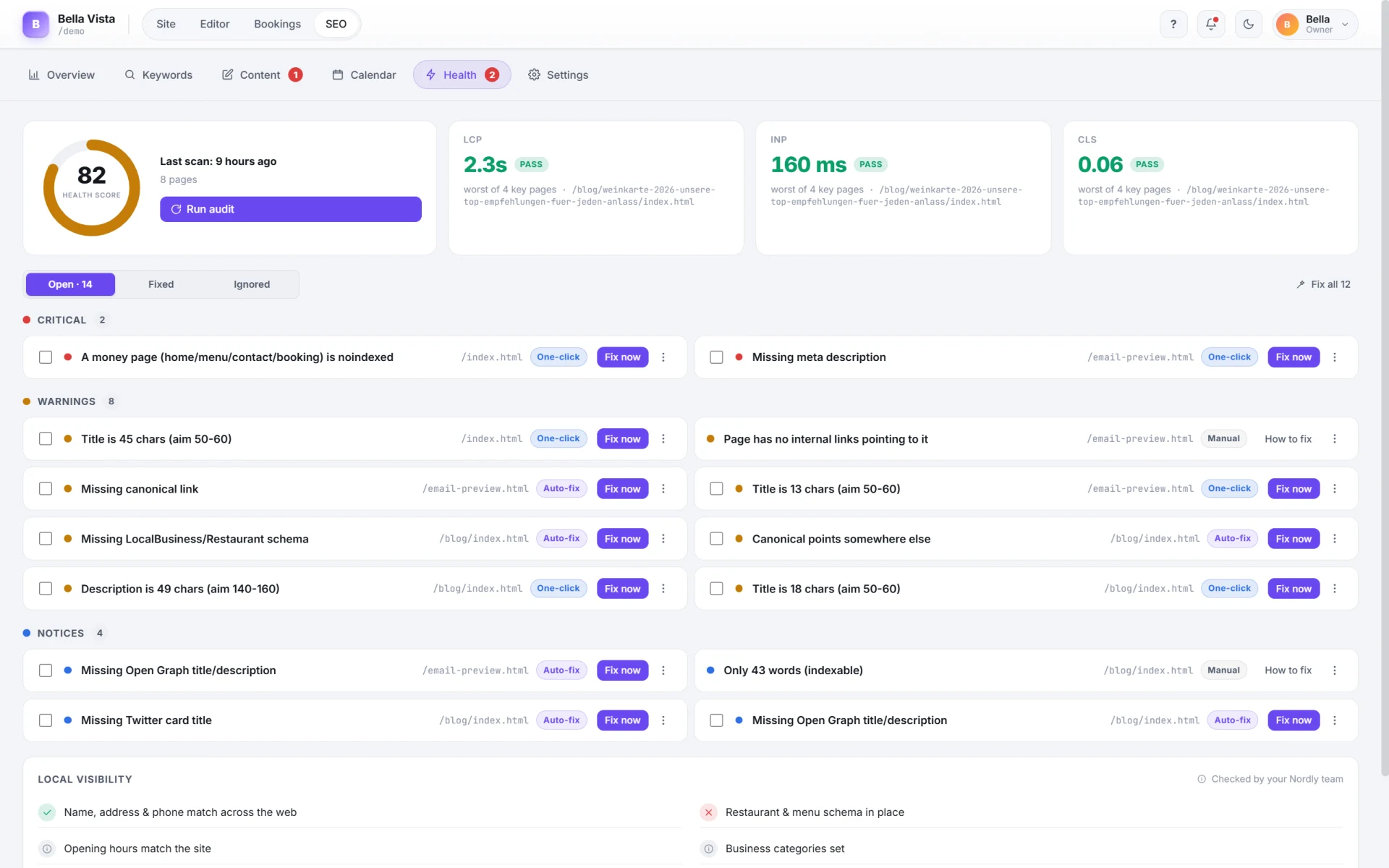
You do not need to be technical to understand why a slow website costs you customers. You have felt it yourself: a page that takes forever to load, a button that jumps as you reach for it, a layout that shifts just as you start to read. That frustration is exactly what Google now measures, and it has a name: Core Web Vitals. Pass them and you rank better and convert more. Fail them and you leak both.
Behind the jargon, Core Web Vitals are three simple questions about how a page feels to a real visitor:
That is the whole idea. Load fast, respond fast, hold still.
Every extra second of load time sheds visitors, and the drop is steep. People decide in a heartbeat whether a site feels trustworthy, and slow feels careless. So a fast site is not a badge for your developer to be proud of. It is more enquiries from the same traffic. Search visibility and conversion pull in the same direction here, which is rare and worth using.
The culprits are boring and fixable: huge images that were never sized for the web, a pile of plugins each loading their own scripts, cheap hosting, and page builders that stack code no one reads. You do not fix this by chasing a perfect score. You fix the few things that move the needle: right sized images, clean code, solid hosting, and a layout that reserves space so nothing jumps.
The honest way to run this is a loop. Measure your pages against the three vitals, fix the biggest offender, then check the real numbers again a few weeks later. A website health view that scores your pages and shows what changed after each fix turns a vague worry into a short, satisfying list. That is the approach built into the Nordly platform: it audits your site, applies the fixes, and proves the result against your real Google numbers.
Keep reading
Use these Google Business Profile tips to improve local visibility, earn more reviews, and turn Maps searches into real leads. Get the checklist.
Read more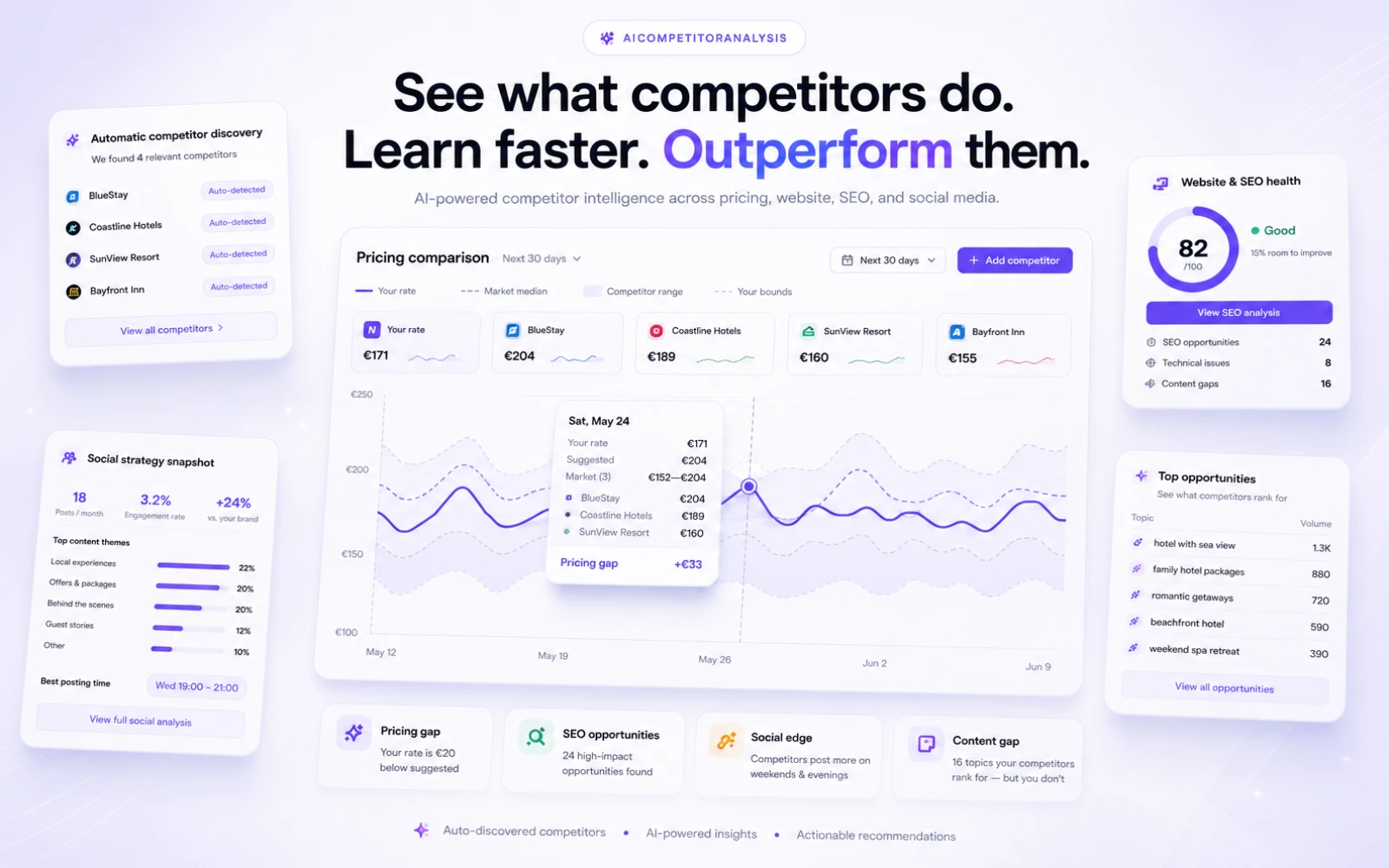
Your rivals leave a trail every day: their prices, their new pages, their posts. Here is how to read that trail and turn it into moves you can make first.
Read moreA short conversation is enough to find out whether we are a fit. No strings, no jargon, no pressure.
Send an enquiry